
Best Daycare in Carrollton Georgia
Give us a call @ (678)601-3067
Growing Hearts and Hands
At Growing Hearts and Hands, we believe that every child deserves a nurturing environment where they can thrive academically, socially, and emotionally. Our state-of-the-art facilities and dedicated educators are committed to providing personalized learning experiences tailored to each child's unique needs.

Why Choose Growing Heart and Hands?
Customized Learning Plans:
We develop individualized learning plans that cater to your child's specific learning style and pace, ensuring optimal growth and development.

Qualified and Caring Educators:
Our team comprises certified professionals trained in early childhood education, CPR, and first aid, dedicated to fostering a safe and supportive learning environment.
Safe and Engaging Environment:
Our secure facilities are equipped with interactive play areas that encourage exploration and creativity, promoting holistic development.
Give us a call @ (678)601-3067
Schedule a Tour Today
Experience firsthand the vibrant learning community at Growing Hearts and Hands. We invite you to schedule a tour and discover how we can partner with you in your child's educational journey.
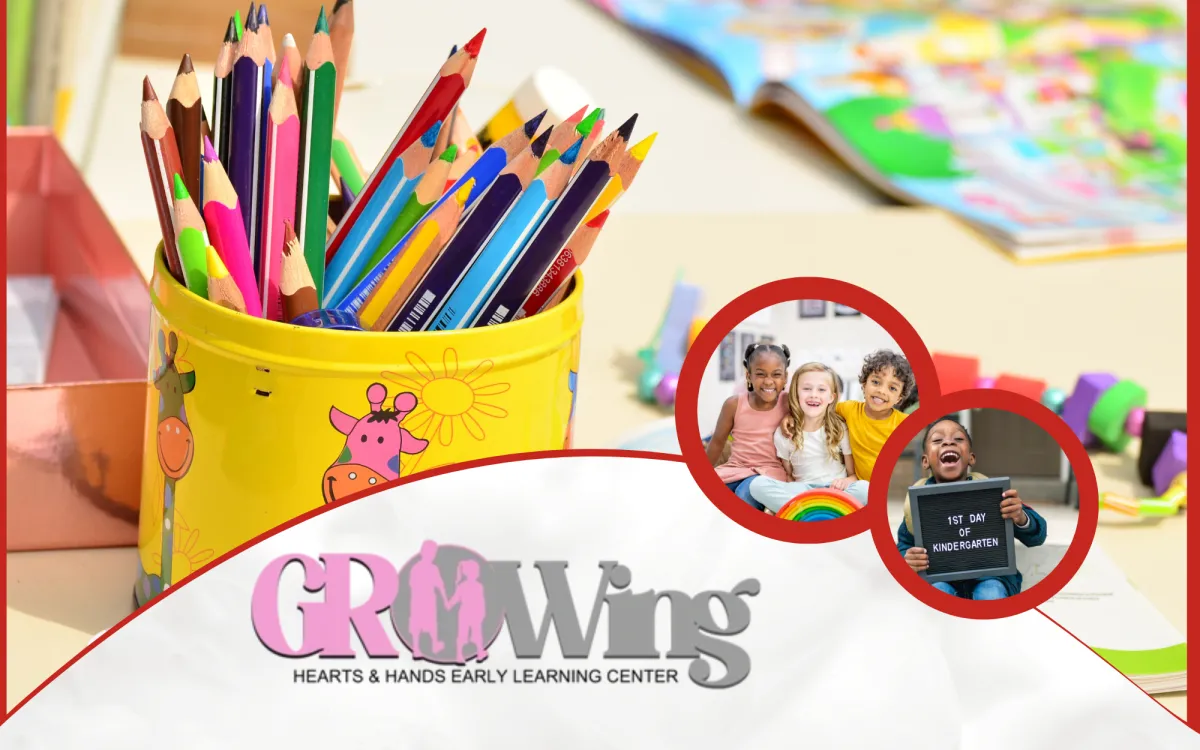
Learning for your Pre-Schooler
Three-year-olds are able to solve more and more problems, figure out unique ways to do something, and want to find out why – a lot! Learning Beyond helps you become a strong model, allowing children time to try and work through challenges while you ask important questions or provide support to children’s learning. Children’s skills in all developmental areas grow with these continued opportunities to be actively engaged in their learning and trusted as a learner. Learning Beyond provides quarterly benchmarks to help you stay focused on age-appropriate growth and excited learners.
Give us a call @ (678)601-3067
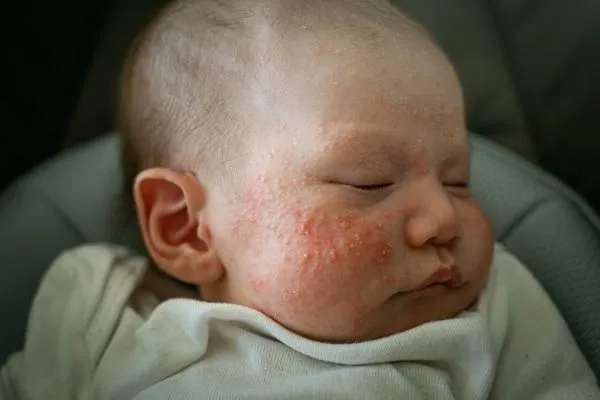
Understanding Allergies in Babies: What Every Parent Needs to Know
Understanding Allergies in Babies: What Every Parent Needs to Know
Childcare blogs
April 26, 2025 • 0 min read
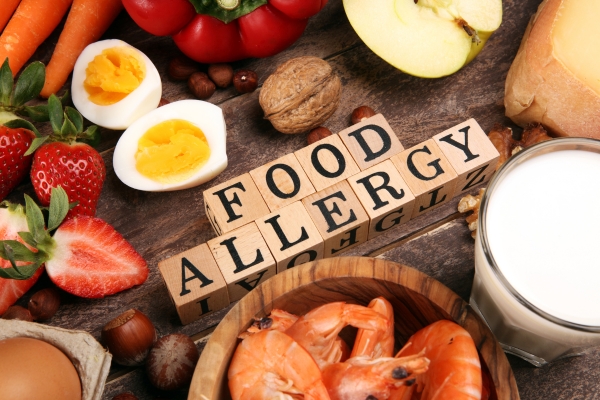
Why Babies Develop Allergies (And How to Help Them)
Baby rubbing eyes while experiencing mild allergy symptoms
Managing allergies in babies can feel overwhelming, especially for busy parents and childcare providers. Early awareness and simple strategies can make a big difference:
Recognize common allergens (foods, pets, pollen, dust)
Watch for early symptoms like rashes, congestion, or fussiness
Introduce new foods carefully and one at a time
Maintain a clean, low-allergen environment
Trust your instincts and consult your pediatrician when needed
Babies' immune systems are still "rookies" — learning to tell harmless substances apart from real threats. As pediatric allergist Dr. Sarah Jones explains, “Allergies in infancy are often a mix of genetics, environment, and timing.”
This isn't bad parenting—it's biology. Most babies' immune systems are still maturing, and some exposures (like peanuts or pet dander) can trigger surprising reactions.
The good news? With awareness, patience, and a plan, you can help your baby grow safely and confidently even with allergy risks.
Allergy Risk Factors: Is My Baby at Higher Risk?
Before diving into prevention and management, it helps to know your baby's baseline risk. Factors that can increase a baby's likelihood of developing allergies include:
Risk Factor
Why It Matters
Family history
Genetics play a major role — especially if both parents have allergies
Eczema as an infant
Strongly linked to later food allergies and asthma
Early antibiotic use
Can disrupt gut microbiota, impacting immune development
C-section delivery
May limit early microbial exposure compared to vaginal birth
While you can't control genetics, understanding your baby's risk allows you to be more proactive.
Common Baby Allergens to Watch For
When people hear "allergies," they often think of seasonal sneezing. But in babies, allergens can show up in many surprising ways:
Food: Cow's milk, eggs, peanuts, tree nuts, soy, wheat, fish, shellfish
Environmental: Pet dander, dust mites, pollen, mold
Household Products: Laundry detergents, soaps, lotions, fragrances
Insect stings: Bees and ants (less common in infants, but important)
Exposure can happen through ingestion, inhalation, or skin contact — meaning a reaction could follow a snack, a cuddle with a pet, or even a new laundry soap.
Early Allergy Symptoms in Babies
Recognizing early signs makes all the difference. Keep an eye out for:
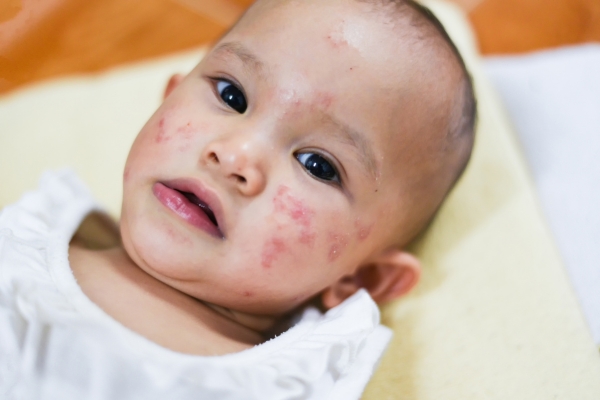
Red, itchy rashes (like hives or eczema flares)
Persistent congestion or sneezing (without illness)
Vomiting or diarrhea after new foods
Fussiness, irritability, or poor sleep
Swelling of the lips, eyes, or face (seek immediate care)
Most reactions happen within minutes to hours after exposure, but some (like eczema or congestion) can creep in gradually.
The HALTS Factor
Babies' allergic reactions are often intensified by basic physical states — the "HALTS" checklist for babies:
Hungry: Low blood sugar worsens reactions
Angry: Stress heightens immune responses
Lonely: Emotional stress can impact skin and breathing
Tired: Fatigue lowers tolerance thresholds
Stressed: Disrupts normal immune balance
Always assess if basic needs are met before assuming a flare-up is purely allergy-driven.
Introducing Potentially Allergenic Foods: A Step-By-Step Approach
Gone are the days of strict food avoidance. New research suggests early, careful introduction helps prevent allergies for many babies. Here's how:
Start around 6 months (but not before 4 months) under pediatrician guidance
Introduce common allergens (like peanut, egg) one at a time
Start with tiny amounts in a safe, calm environment
Monitor closely for 2-3 hours after offering a new food
Maintain regular exposure once tolerated
If you have a family history of severe allergies, discuss possible allergy testing before introducing high-risk foods.
Creating an Allergy-Safe Home for Babies
Your home is your baby's primary world. A few adjustments can minimize daily exposure:
Pet areas: Keep pets out of sleeping areas if allergies are suspected
Dust control: Use HEPA filters, vacuum often, and choose easy-to-wash surfaces
Fragrance-free: Choose gentle, fragrance-free detergents, soaps, and wipes
Air quality: Open windows daily for ventilation or use air purifiers if needed
When to Seek Medical Help
Always trust your instincts — especially if you notice:
Breathing difficulties
Persistent vomiting or diarrhea
Swelling or hives after eating
Loss of consciousness (call 911 immediately)
Your pediatrician may recommend seeing a pediatric allergist for skin tests, blood work, or specialized advice.
One mother shared: “We noticed tiny rashes after introducing yogurt, but waited too long to act. Once we got help, it turned out to be a dairy allergy — and my daughter has been thriving ever since with a simple diet tweak.”
Conclusion: Awareness Is Your Superpower
Understanding allergies isn't about living in fear — it's about empowerment. When you know what to watch for, how to create a safe environment, and when to act, you become your baby's first and best line of defense.
By staying connected, observing calmly, and working closely with your pediatrician, you're giving your little one a huge head start toward a healthy, joyful life.
